

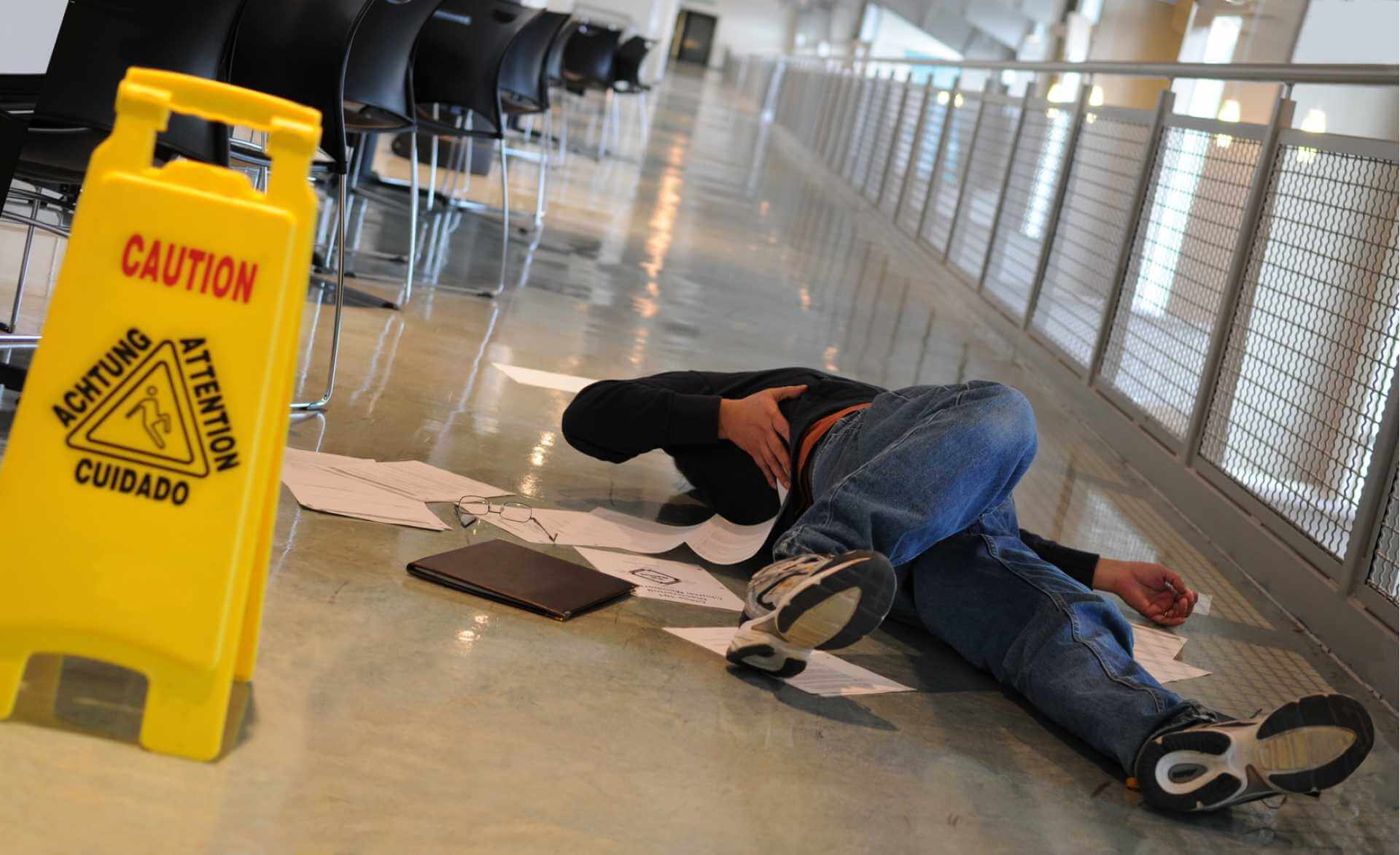

Slips and falls are exceedingly common, but many people who are injured in such accidents struggle to get the compensation they deserve. If you have been injured in a slip and fall, you need to learn about the burden of proof needed to win your case.
Prevention
No matter how serious the injury may be, not all cases are worth pursuing in court. In order to assess the viability of your case, you must determine if the accident could have been prevented by the property owner. For example, if you slip on a wet floor, you must see if measures were taken to mitigate the danger. If the owner has a drainage grate, then his or her liability may be lessened.
Moreover, if the accident is caused by factors that a reasonable person would avoid, then the owner may not be responsible. In these cases, the victim has the responsibility to be aware. Therefore, if the accident is caused by a rake on the lawn during the autumn, then the owner may not be accountable. This is because reasonable people would know to avoid such risk.
Establishing Liability
Property owners are expected to maintain their property for the purpose of safety. Therefore, it is your responsibility as the injured party to prove that reasonable measures were not taken.
When considering your case for a slip and fall accident, evaluate the following factors.
- Awareness: A sensible owner would have been aware of the dangerous conditions.
- Negligence: The owner knew about the dangerous conditions but failed to address them.
- Cause: The owner caused the dangerous conditions.
The legal notion of reasonableness is essential in slip and fall cases. To determine your case’s potential, you will want to discuss the following points with your attorney.
- Length: The amount of time an issue goes unattended prior to your accident can impact your case. If a roof leaked for a week, you have a stronger case than if it started leaking that day.
- Maintenance: The frequency of cleaning and maintenance on the property is important. The property owner needs to provide evidence of the inspection process.
- Impediments: If your accident involved tripping over an item, then you need to determine if there was a valid reason for that object to be there. The validity must be a current need of the property owner.
Comparative Negligence
Before pursuing your case, you must assess your own culpability. Many states take the victim’s carelessness into account during these cases. If you contributed to the accident in some way, your chances for compensation are diminished. Take the following points into consideration.
- Purpose: You must have a reasonable purpose on the property. If your visit was unexpected, your case’s strength is diminished.
- Reasonable: If most people would have avoided the dangerous conditions, you might be found comparatively liable.
- Warnings: If the owner used barriers or warnings, you may be found responsible.
- Behavior: Your actions during the incident will be taken into account. Actions like texting, running near pools, jumping or skipping can impact your case.
Talk to a lawyer as soon as possible about your slip and fall. You can also use a Damage Estimate worksheet to see what kind of reward you might win in court.

